
Serengeti National Park
Serengeti National Park is Tanzania’s most iconic safari destination and one of the most celebrated wildlife areas in the world.
Safari Overview
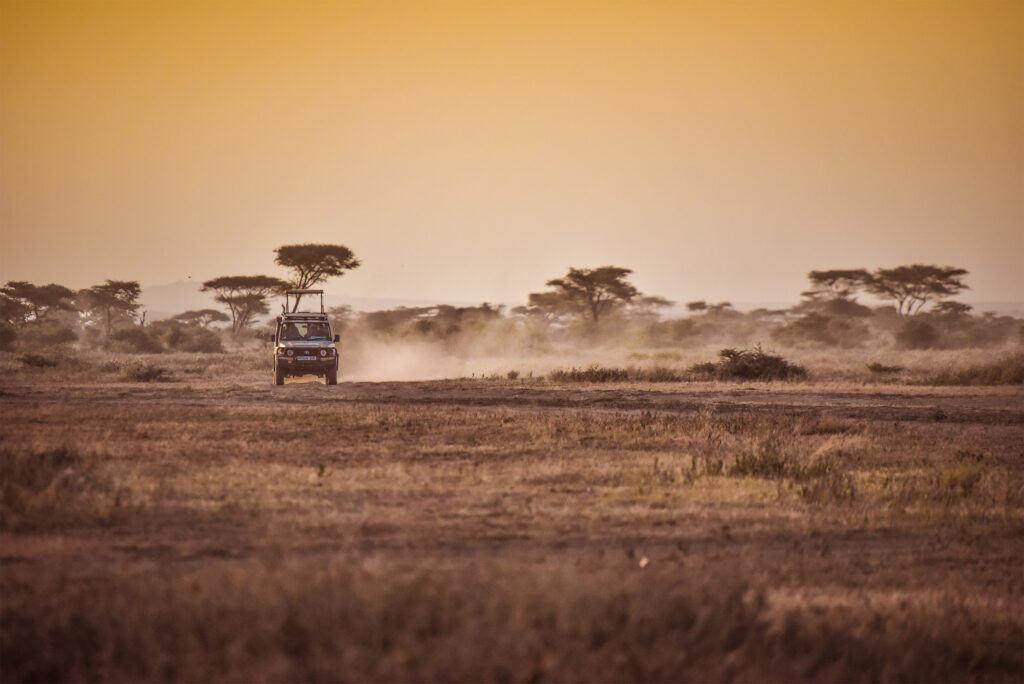
Serengeti National Park is Tanzania’s most iconic safari destination and one of the most celebrated wildlife areas in the world. Located in northern Tanzania, the park covers approximately 14,750 square kilometers (5,700 square miles) of vast plains, rolling savannah, woodlands, and riverine forests. It is globally famous for its extraordinary wildlife concentration and the spectacular Great Migration.
Location & Accessibility
Serengeti lies in the northern safari circuit of Tanzania, bordering:
• Ngorongoro Conservation Area to the southeast
• Masai Mara National Reserve in Kenya to the north
• Lake Victoria to the west
How to Get There:
• By Road: 6–8 hours drive from Arusha via Ngorongoro.
• By Air: Daily scheduled and charter flights from Arusha, Kilimanjaro, and Zanzibar to various Serengeti airstrips (Seronera, Kogatende, Grumeti).
History & Conservation Status
• Established in 1951, Serengeti is Tanzania’s oldest national park.
• Recognized as a UNESCO World Heritage Site in 1981.
• The name “Serengeti” comes from the Maasai word Siringet, meaning “endless plains.”
The park plays a crucial role in ecosystem preservation and wildlife research, particularly in predator-prey dynamics and migration patterns.
The Great Wildebeest Migration
The Serengeti hosts the largest terrestrial mammal migration in the world — over:
• 1.5 million wildebeest
• 200,000 zebras
• Thousands of gazelles
Migration Cycle:
• December – March: Calving season in Southern Serengeti (Ndutu area).
• April – June: Herds move north; dramatic river crossings begin.
• July – October: Northern Serengeti (Mara River crossings).
• November: Herds return south with the short rains.
This continuous movement is driven by rainfall patterns and fresh grazing.
Wildlife in Serengeti
Serengeti offers year-round game viewing and is home to the legendary Big Five:
• Lion
• Leopard
• Elephant
• Buffalo
• Rhinoceros
It is particularly famous for:
• Large lion populations
• Cheetahs on the open plains
• Hyenas and African wild dogs
• Over 500 bird species
The Seronera Valley is known as a predator hotspot due to its permanent water sources.
Landscapes & Ecosystems
Serengeti is not just flat plains — it has diverse habitats:
• Endless Grasslands (Southern & Central)
• Savannah Woodlands (Western Corridor)
• Riverine Forests
• Kopjes (Rocky outcrops where lions often rest)
• Acacia-dotted plains
Each ecosystem supports different wildlife species and creates varied safari experiences.
Best Time to Visit
Serengeti is a year-round destination, but timing depends on your interest:
• June – October (Dry Season):
• Best for general wildlife viewing
• Easier to spot animals due to short grass
• Ideal for river crossings (July–September)
• December – March (Calving Season):
• Excellent predator action
• Beautiful green landscapes
• Fewer crowds compared to peak migration months
Safari Activities
Visitors can enjoy:
• Game drives (half-day & full-day)
• Hot air balloon safaris
• Walking safaris (in specific zones)
• Photography safaris
• Cultural visits to Maasai communities
Balloon safaris provide breathtaking aerial views of the plains at sunrise.
Accommodation Options
Serengeti offers a wide range of accommodation:
• Luxury tented camps
• Permanent safari lodges
• Mid-range camps
• Public & special campsites
Many camps are mobile, following the migration for optimal wildlife viewing.
Why Serengeti Is Unique
1. Home to the Great Migration
2. One of Africa’s highest predator densities
3. Vast untouched wilderness
4. Rich ecological research history
5. Seamless connection to Kenya’s Masai Mara
Serengeti is not just a park — it is a living ecosystem where life, survival, and nature unfold on a dramatic scale every day.
Free Safari Quote
By submitting this form, you agree to be contacted by Visit Creation Safaris regarding your inquiry.