
Tarangire National Park
Tarangire National Park is one of Tanzania’s most beautiful and wildlife-rich parks, famous for its giant elephant herds and ancient baobab trees.
Safari Overview
Tarangire National Park is one of the hidden gems of Tanzania’s northern safari circuit. Located about 120 kilometers southwest of Arusha, the park covers approximately 2,850 square kilometers (1,100 square miles) of savannah, seasonal swamps, and woodlands.
The park is especially famous for its massive elephant populations and its scenic landscapes dominated by iconic baobab trees. During the dry season, Tarangire becomes one of the most wildlife-dense areas in Tanzania as animals migrate to the Tarangire River, the park’s main permanent water source.
Location & Accessibility
Tarangire lies in the northern safari circuit of Tanzania, near other famous parks. It is located close to:
• Lake Manyara National Park
• Ngorongoro Conservation Area
• Serengeti National Park
How to Get There:
• By Road: Approximately 2–3 hours drive from Arusha.
• By Air: Charter flights from Arusha and Kilimanjaro Airport to Kuro Airstrip inside the park.
History & Conservation Status
• Established as a national park in 1970.
• Named after the Tarangire River, which flows through the park and sustains wildlife during the dry season.
Tarangire plays an important role in the Tarangire-Manyara ecosystem, which supports seasonal wildlife migrations across northern Tanzania.
Wildlife in Tarangire
Tarangire is particularly famous for its large elephant herds, sometimes reaching 300 elephants in a single group.
Wildlife highlights include:
• Elephant
• Lion
• Leopard
• Buffalo
• Giraffe
• Zebra
• Wildebeest
• Cheetah (occasionally spotted)
Other unique species often seen here include:
• Fringe-eared Oryx
• Greater Kudu
• African Wild Dogs (rare sightings)
The park is also home to over 500 bird species, making it a paradise for birdwatchers.
Landscapes & Ecosystems
Tarangire features diverse habitats that support abundant wildlife:
• Baobab-studded savannah
• Acacia woodlands
• Seasonal wetlands
• River valleys
• Open grasslands
The massive ancient baobab trees, some over 1,000 years old, are one of the park’s most striking features.
Best Time to Visit
Tarangire is a seasonal wildlife hotspot, especially during the dry months.
• June – October (Dry Season):
• Best wildlife viewing
• Large concentrations of elephants
• Animals gather around the Tarangire River
• November – May (Green Season):
• Beautiful scenery and birdlife
• Fewer tourists
• Excellent photography conditions
Safari Activities Visitors can enjoy:
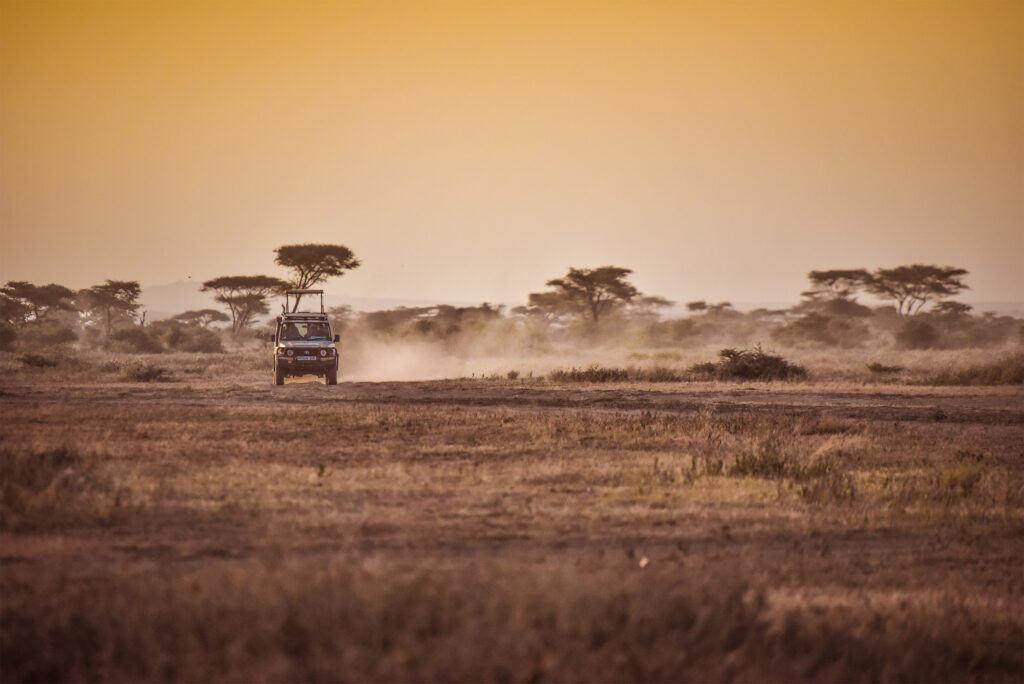
• Game drives
• Birdwatching safaris
• Walking safaris (in designated areas)
• Photography safaris
• Cultural visits to nearby Maasai villages
Tarangire offers a quieter and more intimate safari experience compared to larger parks.
Accommodation Options
Accommodation options include:
• Luxury safari lout6dges
• Tented camps
• Mid-range lodges
• Public campsites
Many lodges are located on elevated ridges overlooking the Tarangire River, offering spectacular wildlife views.
Why Tarangire Is Unique
One of Africa’s largest elephant populations
Iconic baobab tree landscapes
Major dry-season wildlife migration
Less crowded than other northern parks
Exceptional birdwatching destination
Tarangire offers a classic African safari experience with dramatic landscapes and incredible wildlife encounters.
Free Safari Quote
By submitting this form, you agree to be contacted by Visit Creation Safaris regarding your inquiry.